Vanilla Bean Layer Cake
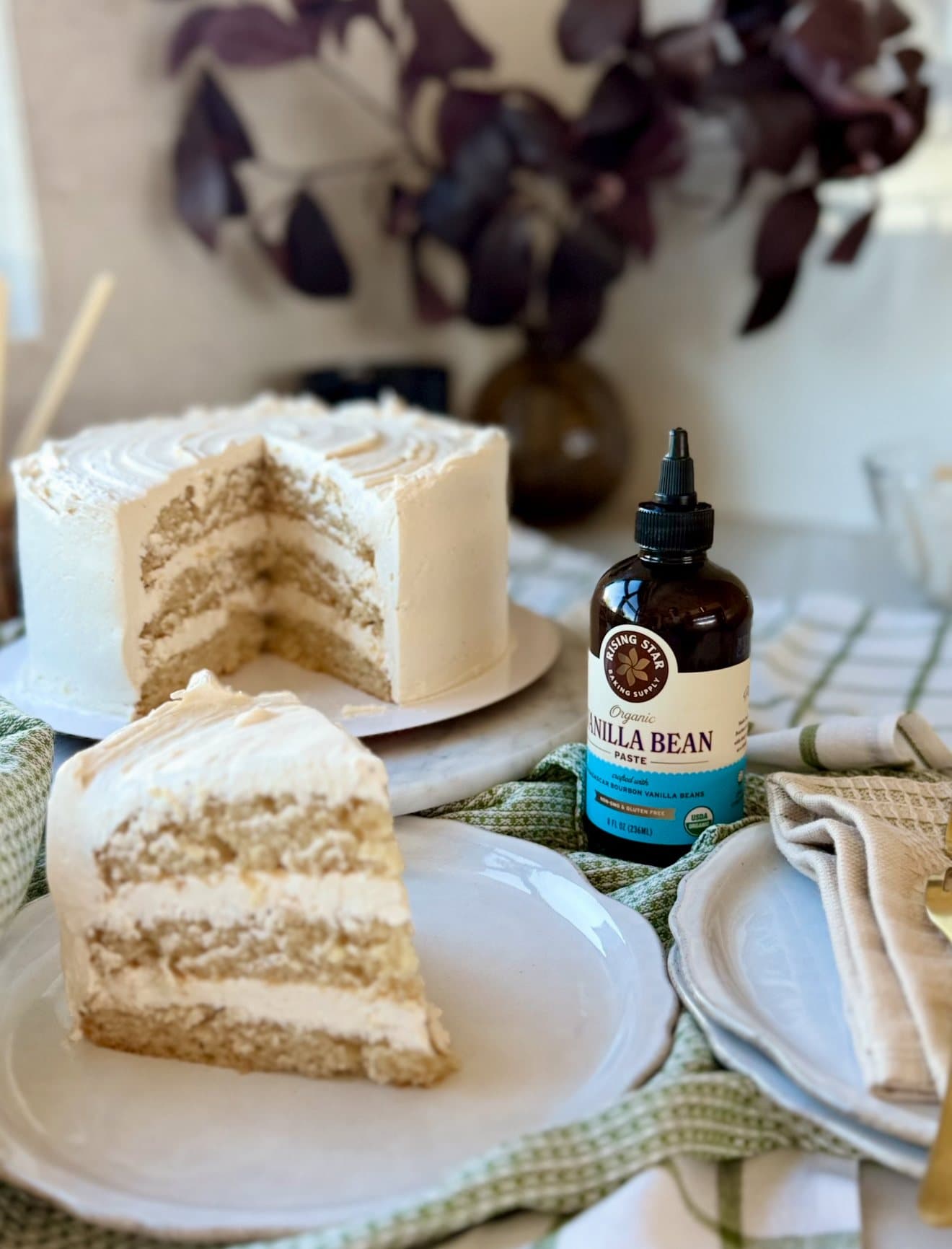
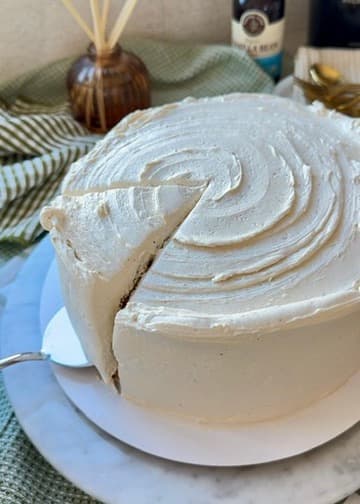
Be the first to reviewThis is the vanilla cake to make when you want the classic done beautifully: three tender layers with fragrant vanilla bean paste and a silky buttercream that settles softly between them.
Whisk only until the flour disappears, bake the batter promptly, and let every layer cool completely before frosting. Those small choices protect the delicate crumb and clean layers.
Save this recipe
Want to save this recipe for later?
Enter your email and I’ll send it to your inbox.
Vanilla Is Never Boring
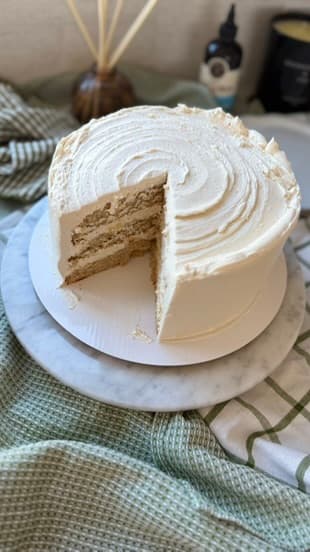
At the end of the day, vanilla is still my favorite flavor. I only started using vanilla bean paste a few years ago, and it made a classic vanilla cake feel even dreamier: deeply fragrant, softly floral, and full of those tiny vanilla bean specks.
The goal is to give a familiar flavor enough care that you remember why it became a classic in the first place.
This cake bakes up unbelievably fluffy, and the vanilla bean buttercream lies between the layers like a soft cloud. It is the kind of buttercream you could eat by the spoonful. A tiny touch of almond extract sits quietly underneath everything, supporting and deepening the vanilla without turning the cake into an almond cake.
Sometimes the classics are the recipes that deserve the most attention. When I want a pure vanilla cake with a tender crumb, generous layers, and nothing distracting from that flavor, this is the one I make.
Ingredient notes
Key ingredients
Vanilla bean paste
Vanilla bean paste gives the cake a deeply fragrant flavor and visible vanilla specks. I use Rising Star here for its rounded vanilla flavor throughout both the cake and buttercream.
Cake flour and cornstarch
Cake flour keeps the crumb fine and tender, while the added cornstarch further limits gluten development so the layers stay delicate.
Plain unsweetened yogurt
Yogurt adds moisture and body to this egg-free batter. Use regular plain unsweetened yogurt rather than a very thick Greek-style yogurt.
Brands I used for this recipe
These are preferences, not requirements. If you choose the non-dairy route, these are the products I test with. Dairy equivalents can be used at the same listed amounts and temperatures.
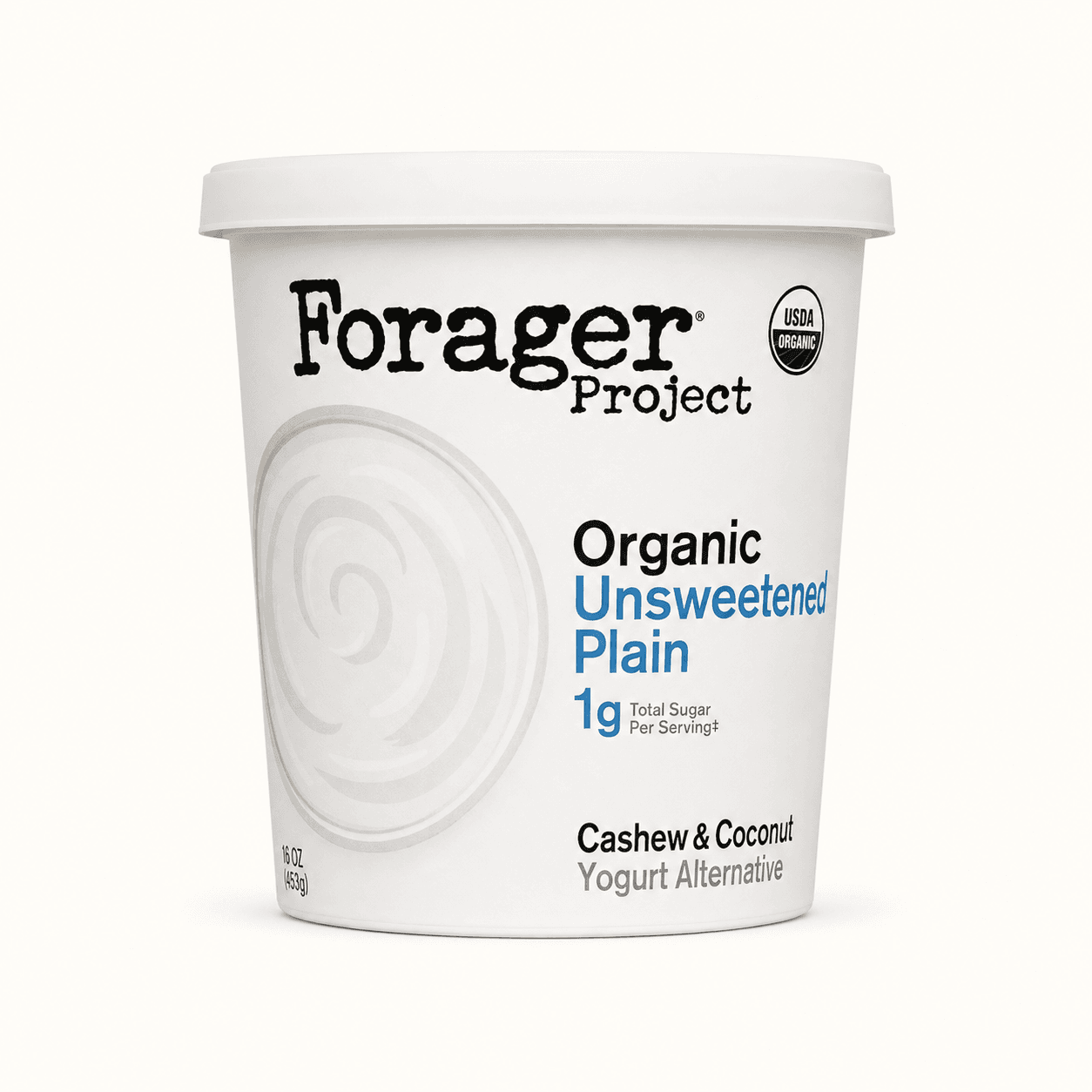
Forager Unsweetened Plain Yogurt
Plain unsweetened yogurt adds moisture, acidity, and body so the crumb bakes up tender without tasting tangy.
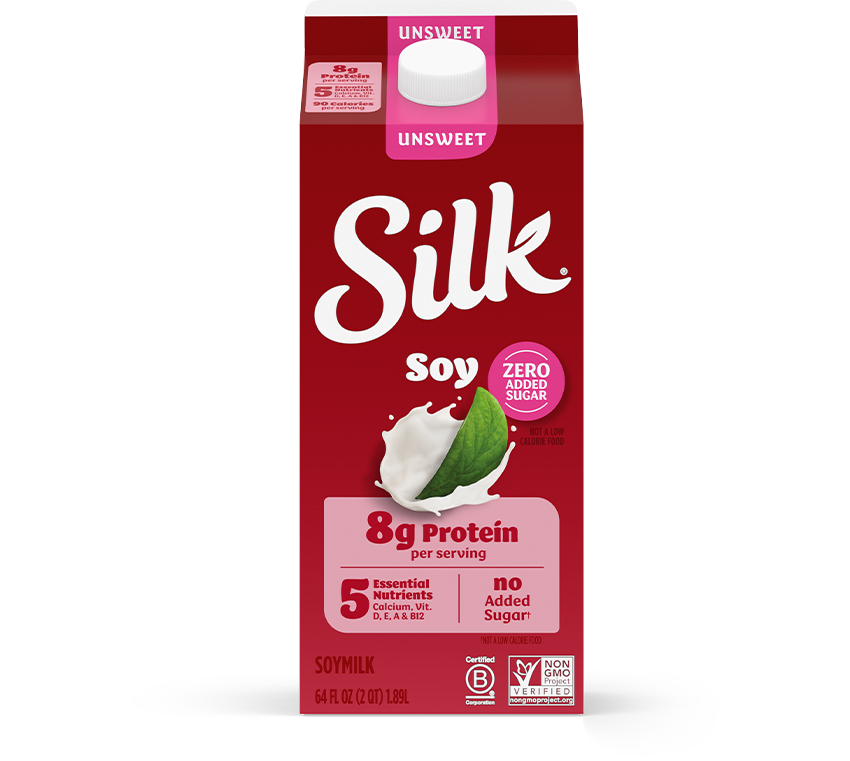
Silk Original Unsweet
Milk affects how smoothly a batter, filling, or frosting comes together. Soy milk and Ripple tend to emulsify well because their protein and fat help create a creamy, cohesive finish.
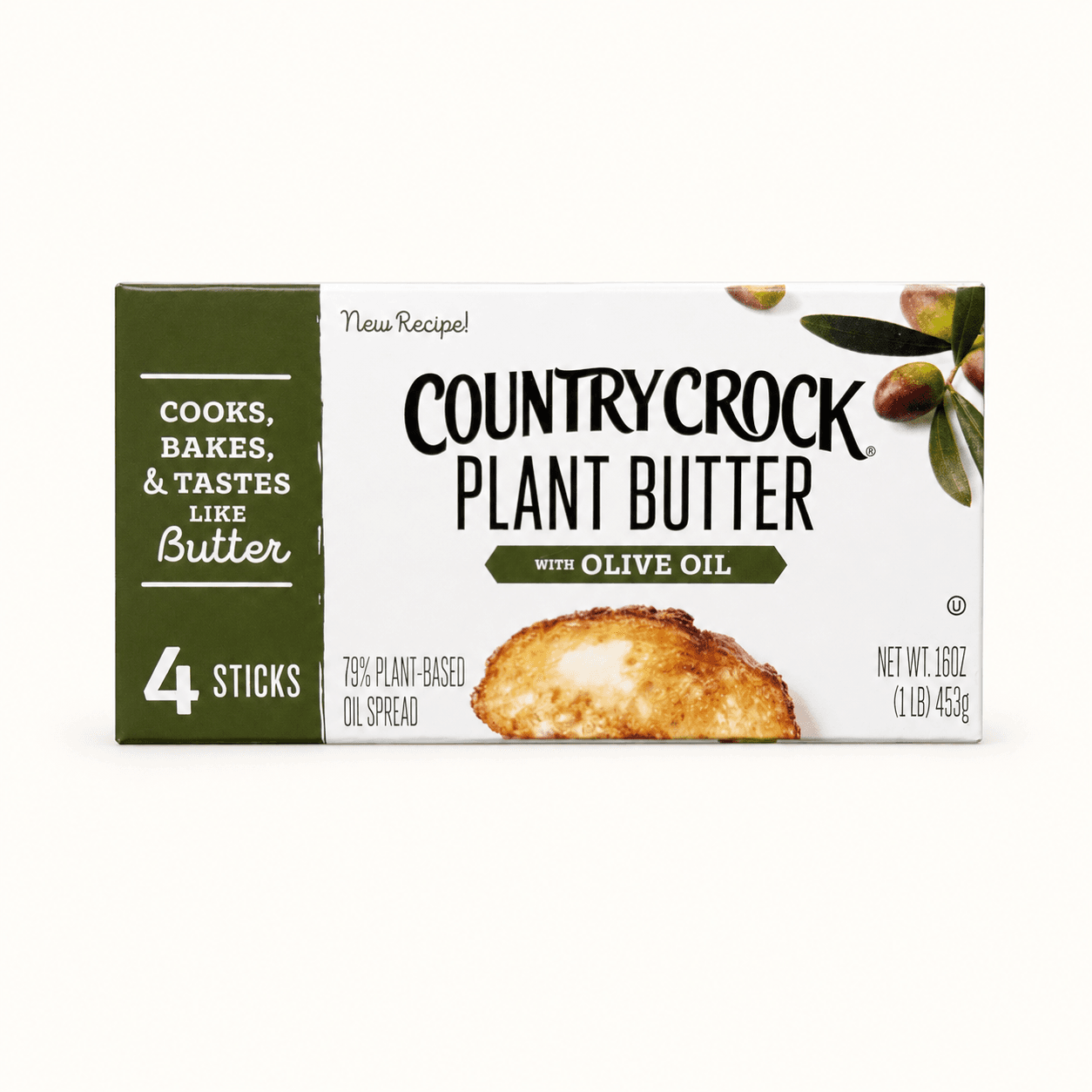
Country Crock Plant Butter Sticks
Use butter sticks for buttercream and fillings that need to hold their shape.
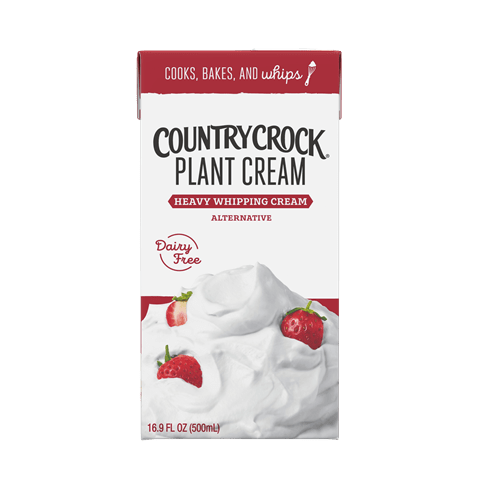
Country Crock Heavy Plant Cream
Heavy cream affects silkiness, looseness, and how buttercream or filling sets after chilling.
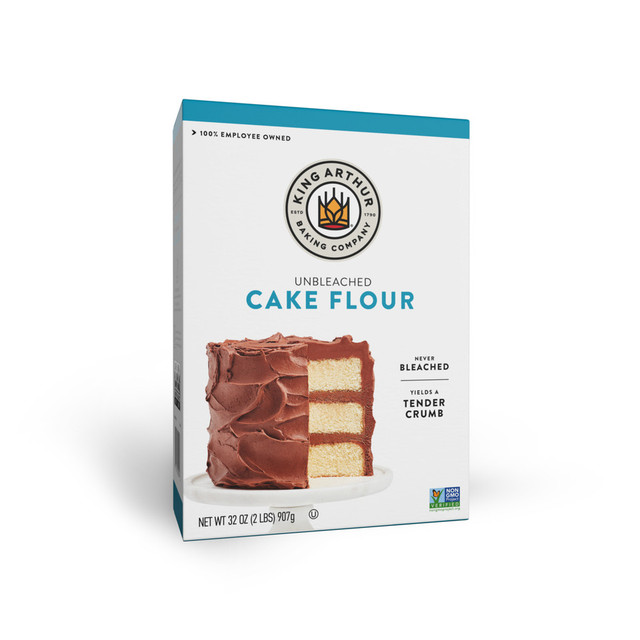
King Arthur Unbleached Cake Flour
I use King Arthur Unbleached Cake Flour for this recipe.

Rising Star Baking Supply Vanilla Bean Paste
I use Rising Star Baking Supply Vanilla Bean Paste for this recipe.
Testing notes
Why this works
Why the heavy cream must be room temperature
Buttercream is an emulsion of fat and water. Cold cream can suddenly firm the butterfat while adding water at the same time, which may make the frosting look split, curdled, or grainy. Room-temperature cream blends into room-temperature butter gradually and keeps the emulsion smooth.
Why the batter is mixed gently
Once flour meets liquid, mixing begins to develop gluten. Whisk only until the batter is smooth and no dry streaks remain so the cake keeps its light, tender crumb.
How to judge the buttercream consistency
Begin with 90 g heavy cream and add more slowly only as needed. The finished buttercream should spread easily while still holding a soft peak; it will firm slightly as it rests.
Inside the recipe
How It All Comes Together
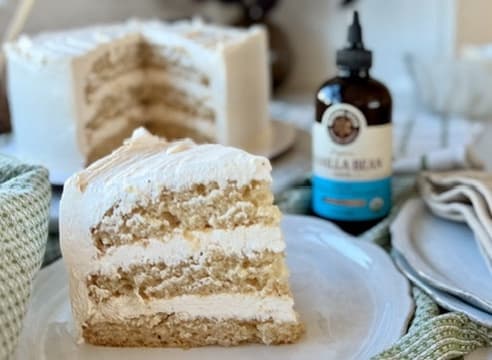
From Instagram
Watch the reel
Watch the tender vanilla bean cake layers and silky vanilla bean buttercream come together.
Open the reelSmall things that matter
Tips for the best cake
Bring the yogurt, milk, heavy cream, and butter to room temperature before mixing.
Measure the cake flour by weight when possible and do not pack it into a measuring cup.
Divide the batter by weight so all three layers bake and stack evenly.
Add the heavy cream gradually because the exact amount depends on the temperature of the butter and the softness you prefer.
Troubleshooting
If This Happens
The cake layers baked up dense
Too much flour, cold ingredients, or extra mixing can weigh down this delicate crumb. Weigh the flour when possible, bring the yogurt and milk to room temperature, and stop whisking as soon as the dry streaks disappear.
The buttercream looks split or grainy
The butter and cream are probably at different temperatures. Let both come to room temperature, then mix on low while adding the cream very gradually.
The buttercream is too soft to stack
Stop adding cream and chill the buttercream briefly until it holds a soft peak. If the cake layers are still warm, cool them completely before assembly.
The layers are sliding while I frost
Apply a thin crumb coat and refrigerate the cake for 20-25 minutes. Once that coat feels firm, finish the outside with the remaining buttercream.
Before you slice
Texture and serving notes
Serve at cool room temperature, when the cake is tender and the buttercream is relaxed and silky.
Use a warm, dry knife and wipe it clean between cuts for the neatest layers.
If the cake has been refrigerated, let it stand at room temperature for 30–45 minutes before serving.
Keep it good
Storage
Fridge
Store the assembled cake covered in the refrigerator for up to 4 days.
Fridge
Wrap cooled, unfrosted cake layers tightly and refrigerate for up to 2 days before assembly.
Fridge
Refrigerate buttercream in an airtight container, then bring it back to room temperature and mix briefly until smooth before using.
Recipe FAQ
Questions that come up
Can I use vanilla extract instead of vanilla bean paste?
Yes. Replace the vanilla bean paste with the same amount of vanilla extract. The cake will not have visible vanilla specks, but it will still be fragrant, delicious, and unmistakably vanilla.
Will the almond extract make the cake taste like almond?
It should not. The optional 1/4 teaspoon is deliberately subtle and is there to support the vanilla, not compete with it. You can omit it for a completely pure vanilla flavor.
Why did my vanilla cake turn out dense?
The most common causes are too much flour, overmixing after the flour is added, cold ingredients that do not emulsify smoothly, or waiting too long to bake the batter. Weigh the flour, use room-temperature ingredients, mix gently, and bake soon after the batter is ready.
Why does my buttercream look split or grainy?
A temperature mismatch is often the cause. Cold cream can firm the butterfat before its water blends into the frosting. Let both the butter and heavy cream reach room temperature, then add the cream slowly on low speed.
Can I make this cake ahead?
Yes. Bake, cool, wrap, and refrigerate the layers up to 2 days ahead. The buttercream can also be made ahead; bring it to room temperature and mix briefly until smooth before assembling the cake.
Can I use dairy ingredients?
Yes. Use dairy yogurt, milk, butter, and cream at the listed amounts and temperatures. If you choose the non-dairy route, the products I test with are listed under Brands I used for this recipe.
Should I weigh the ingredients or use volume measurements?
I strongly recommend weighing the ingredients in grams for the most reliable result. Volume measurements are included for convenience, but the amount in a cup can change depending on how an ingredient is filled, packed, or poured. These recipes are easy to follow, but their ratios are precise, so I cannot guarantee the exact same result when volume measurements are used. I still use teaspoons and tablespoons for small amounts like leaveners, salt, spices, and flavorings because those are the most practical measurements.
Can I make this recipe gluten-free?
I have not tested this recipe with gluten-free flour, so I cannot guarantee the same texture, rise, or structure. If you would like to experiment, a cup-for-cup (1:1) gluten-free baking blend intended to replace all-purpose flour is the best place to start. Results may differ from the recipe as written.
Can I use all-purpose flour instead of cake flour?
Yes, of course. Replace the cake flour with the same amount of all-purpose flour by weight. The cake will have a slightly sturdier, less delicate crumb, but it will still be great.
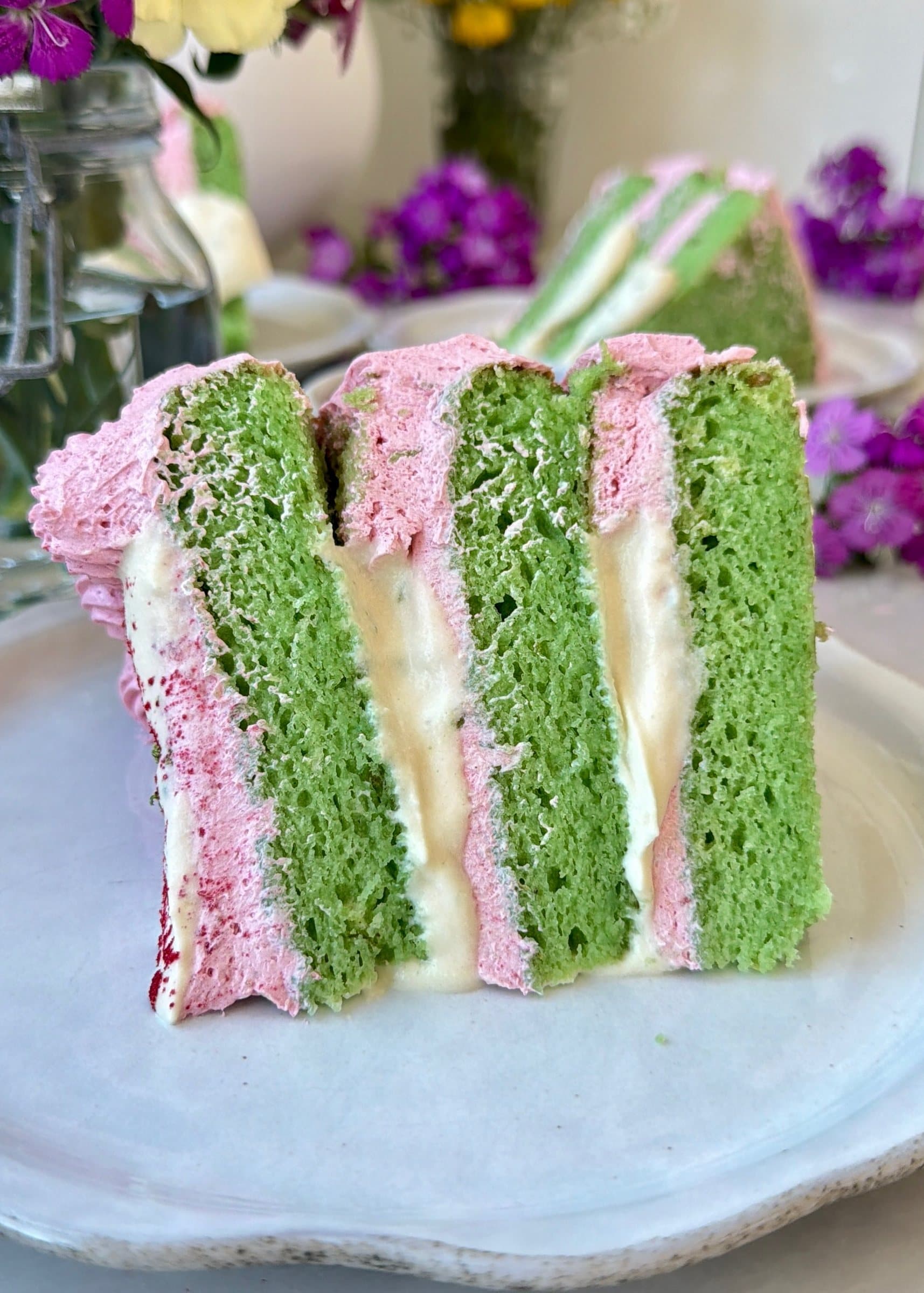
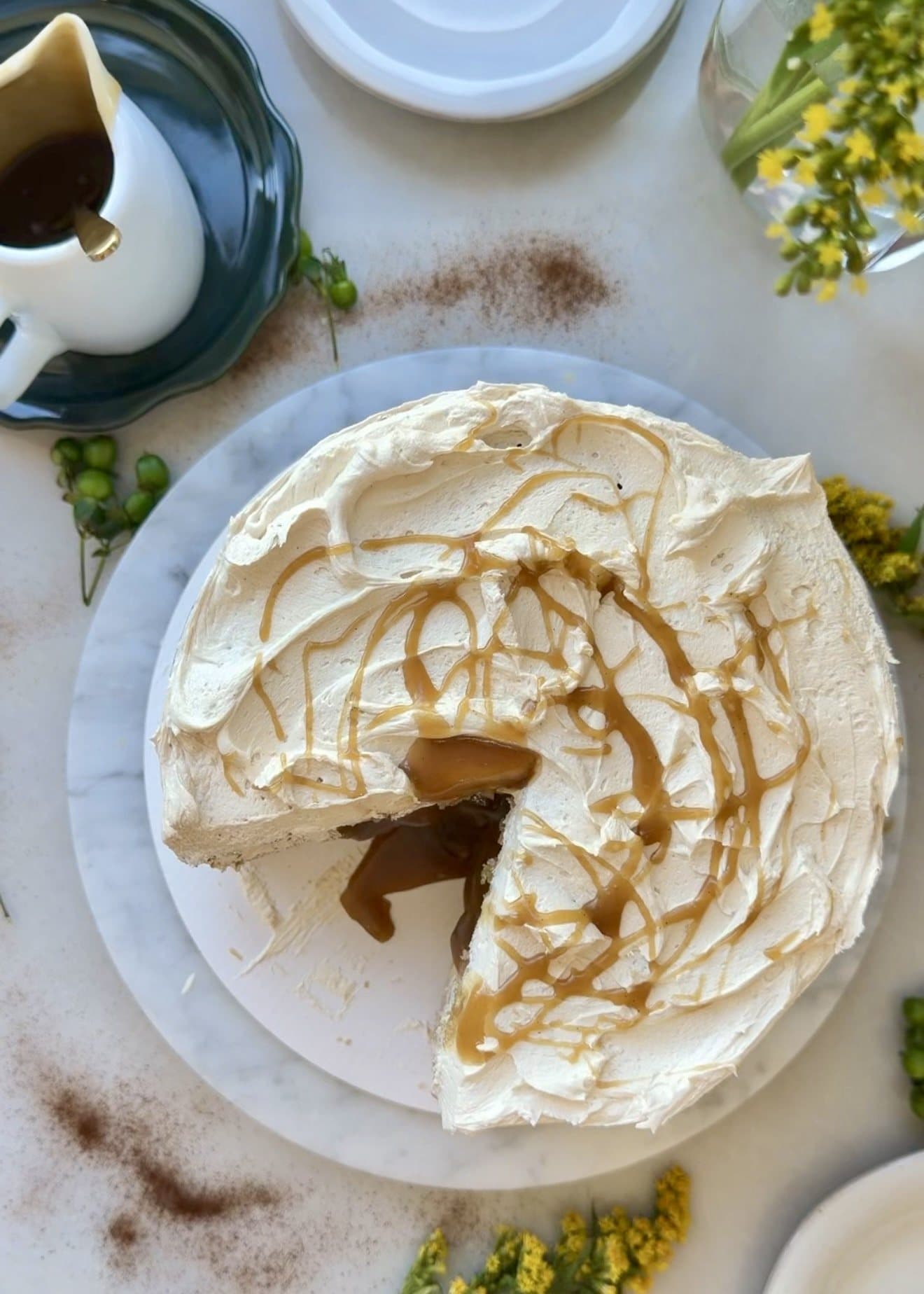
More layer cakes to try



- Prep
- 45 min
- Bake
- 22–26 min
- Total
- About 3 hr, including cooling and assembly
- Yield
- One 3-layer 8-inch cake
Measurement note
For the closest match to the recipe I tested, use grams. Volume measurements are included for convenience, but cups can vary, so I cannot guarantee the exact same result when measuring by volume.
Ingredients
Vanilla Cake Layers
- 300 g cake flour300 g (about 2 1/2 cups) cake flour
- 25 g cornstarch25 g (about 3 tablespoons + 1 1/2 teaspoons) cornstarch
- 2 1/4 teaspoons baking powder2 1/4 teaspoons baking powder
- 1/2 teaspoon baking soda1/2 teaspoon baking soda
- 3/4 teaspoon fine sea salt3/4 teaspoon fine sea salt
- 300 g granulated sugar300 g (about 1 1/2 cups) granulated sugar
- 120 g neutral oil120 g (about 1/2 cup + 2 teaspoons) neutral oil
- 200 g plain unsweetened yogurt, room temperature200 g (about 3/4 cup + 1 tablespoon) plain unsweetened yogurt, room temperature
- 240 g milk, room temperature240 g (about 1 cup) milk, room temperature
- 1 tablespoon apple cider vinegar1 tablespoon apple cider vinegar
- 2 tablespoons vanilla bean paste2 tablespoons vanilla bean paste
- 1/4 teaspoon almond extract (optional)1/4 teaspoon almond extract (optional)
Vanilla Bean Buttercream
- 454 g butter sticks, room temperature (4 sticks)454 g (about 2 cups) butter sticks, room temperature (4 sticks)
- 1 teaspoon fine sea salt1 teaspoon fine sea salt
- 1 tablespoon vanilla bean paste1 tablespoon vanilla bean paste
- 560 g powdered sugar, sifted560 g (about 4 2/3 cups) powdered sugar, sifted
- 90–120 g heavy cream, room temperature90–120 g (about 6 tablespoons to 1/2 cup) heavy cream, room temperature
Pan used
I use Fat Daddio's 8-inch anodized aluminum round cake pans for this recipe.
Instructions
- 1Make the vanilla cake layers. Preheat the oven to 350°F (175°C). Grease and line three 8-inch round cake pans with parchment paper.
- 2In a large bowl, whisk together the granulated sugar, oil, yogurt, milk, apple cider vinegar, vanilla bean paste, and almond extract, if using, until completely smooth and emulsified.
- 3In a separate bowl, whisk together the cake flour, cornstarch, baking powder, baking soda, and salt.
- 4Add the dry ingredients to the wet ingredients in two additions, whisking gently after each addition just until combined and smooth. Do not overmix.
- 5Divide the batter evenly among the prepared pans by weight. Tap each pan lightly on the counter to release large air bubbles.
- 6Bake for 22–26 minutes, until the tops are set and a tester inserted into the center comes out clean or with a few moist crumbs.
- 7Cool the cakes in their pans for 10–15 minutes, then turn them out onto wire racks and cool completely before assembling.
- 8Make the vanilla bean buttercream. Beat the room-temperature butter on medium-high speed for 3–4 minutes, scraping the bowl as needed, until pale and fluffy.
- 9Add the salt and vanilla bean paste and mix until evenly incorporated.
- 10Add the sifted powdered sugar in 3–4 additions on low speed, mixing until incorporated before adding the next portion.
- 11With the mixer on low, slowly stream in 90 g room-temperature heavy cream. Add more cream gradually only as needed until the buttercream is silky, spreadable, and able to hold a soft peak. It will firm slightly as it rests.
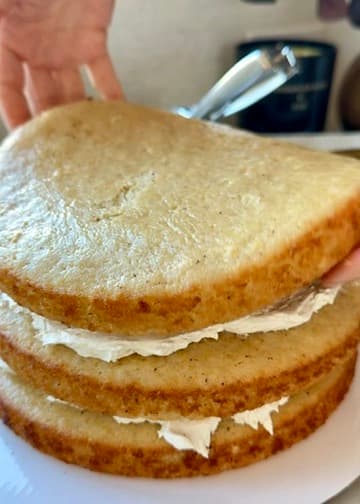
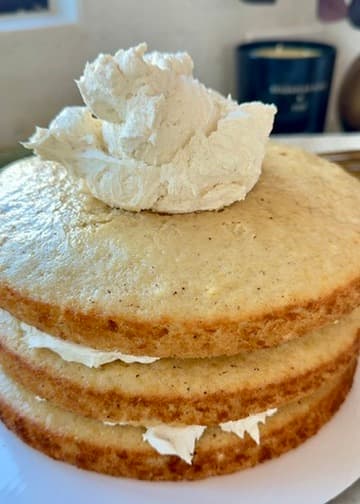
- 12Place the first cooled cake layer on a cake board or serving plate. Spread an even layer of buttercream over the top, add the second cake layer, and repeat. Add the final layer.
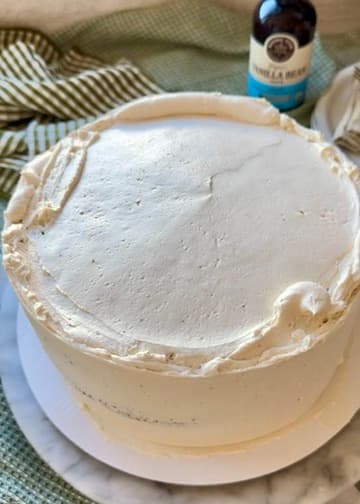
- 13Apply a thin crumb coat and refrigerate for 20–25 minutes, until firm.
- 14Frost the cake with the remaining buttercream and finish the top with soft swirls. Chill briefly to set, then bring the cake toward room temperature before serving.
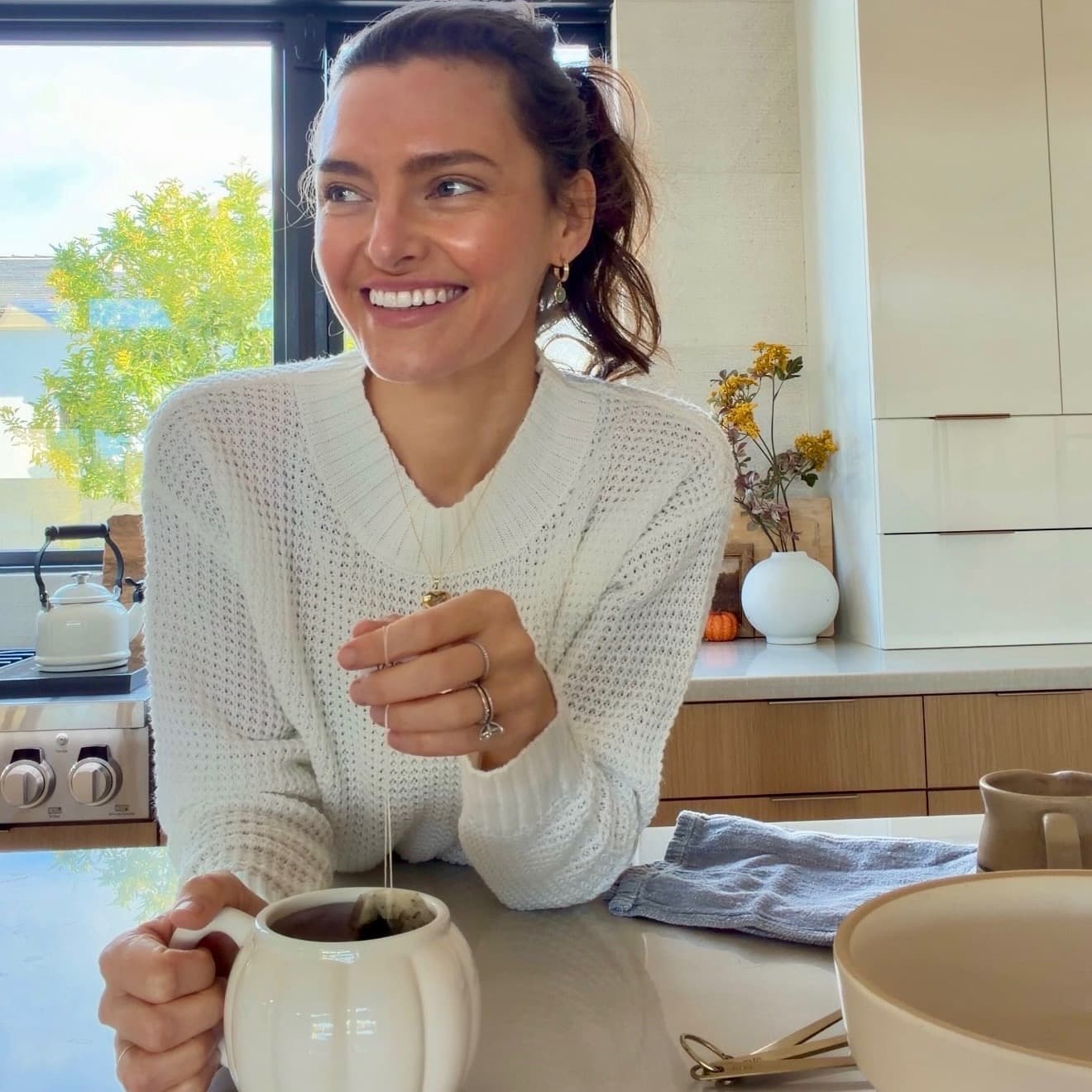
Meet the baker
Angela Heckler
Angela Heckler is the recipe developer, baker, and photographer behind Obsessed Cakes. Her Old-Fashioned Donut Loaf series is a growing collection of cake-donut-inspired loaves with soft, deeply moist crumbs, buttery streusel, and crackly glaze. Angela develops and tests every recipe in her Arizona kitchen. Follow Obsessed Cakes on Instagram, TikTok, and YouTube.
Made it? Tell us.
Ratings and reviews
Be the first to rate this recipe.
No reviews yet.
Make the recipe, leave a rating, and share how it turned out.Did you make this?
Share your bake on Instagram - tag @obsessedwithcashews and use #obsessedcakes.