Orange Old-Fashioned Donut Loaf
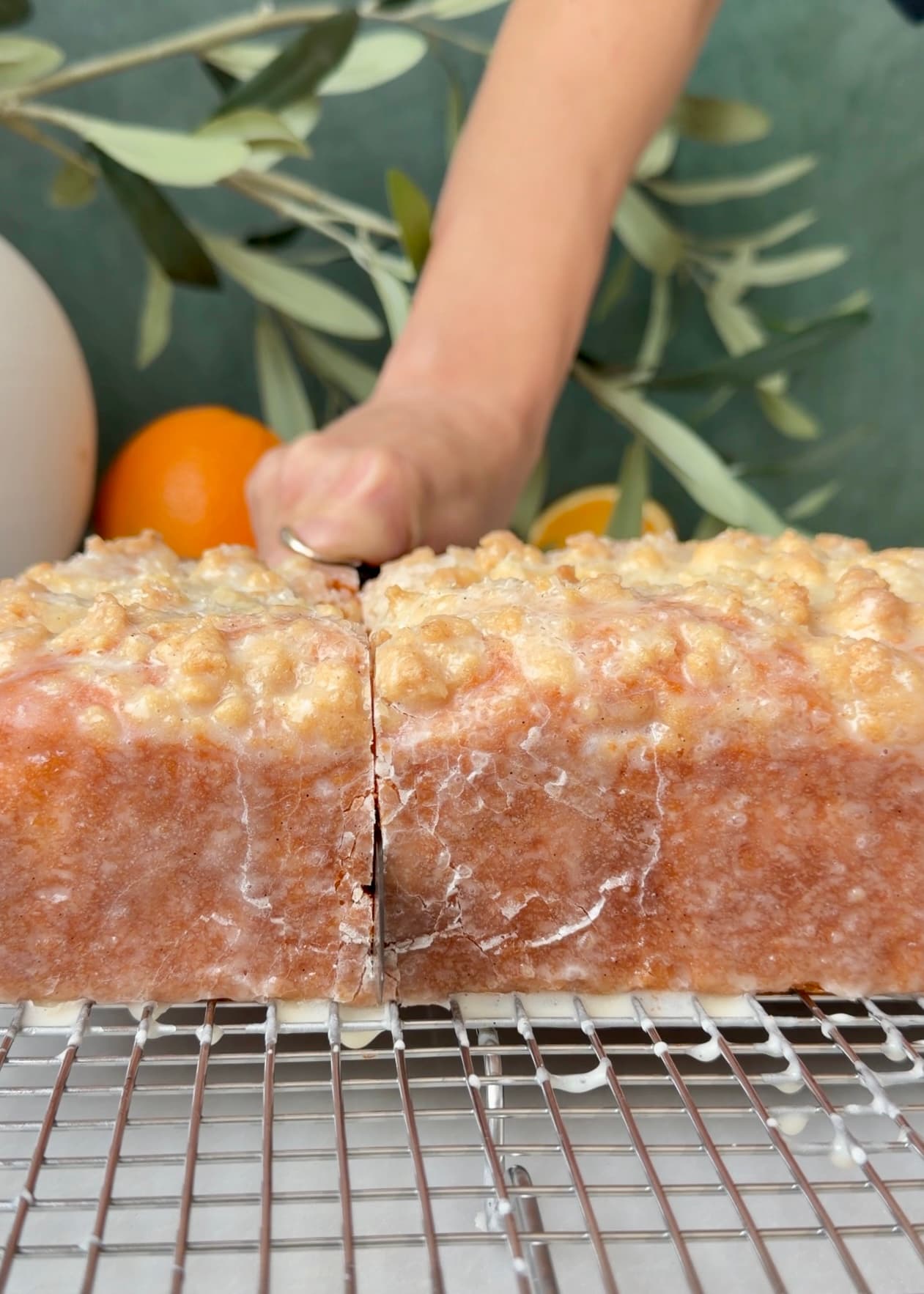
5.0 from 1 reviewOrange may not be the first fruit flavor people picture in an old-fashioned donut, but that is exactly why this loaf belongs in the series. Fresh zest, juice, and a carefully measured touch of orange emulsion give the cake a bright, nostalgic flavor without overwhelming the buttery streusel.
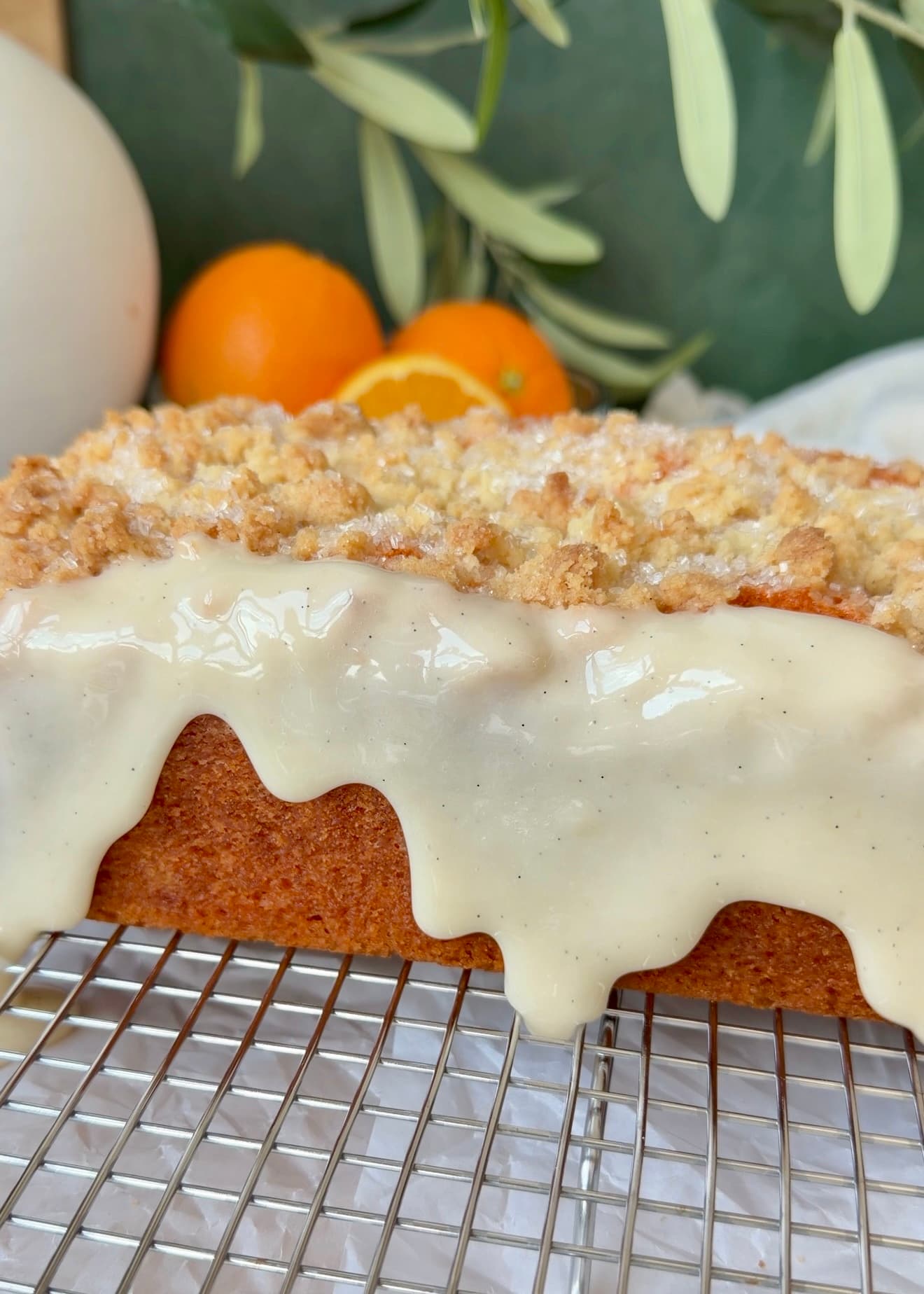
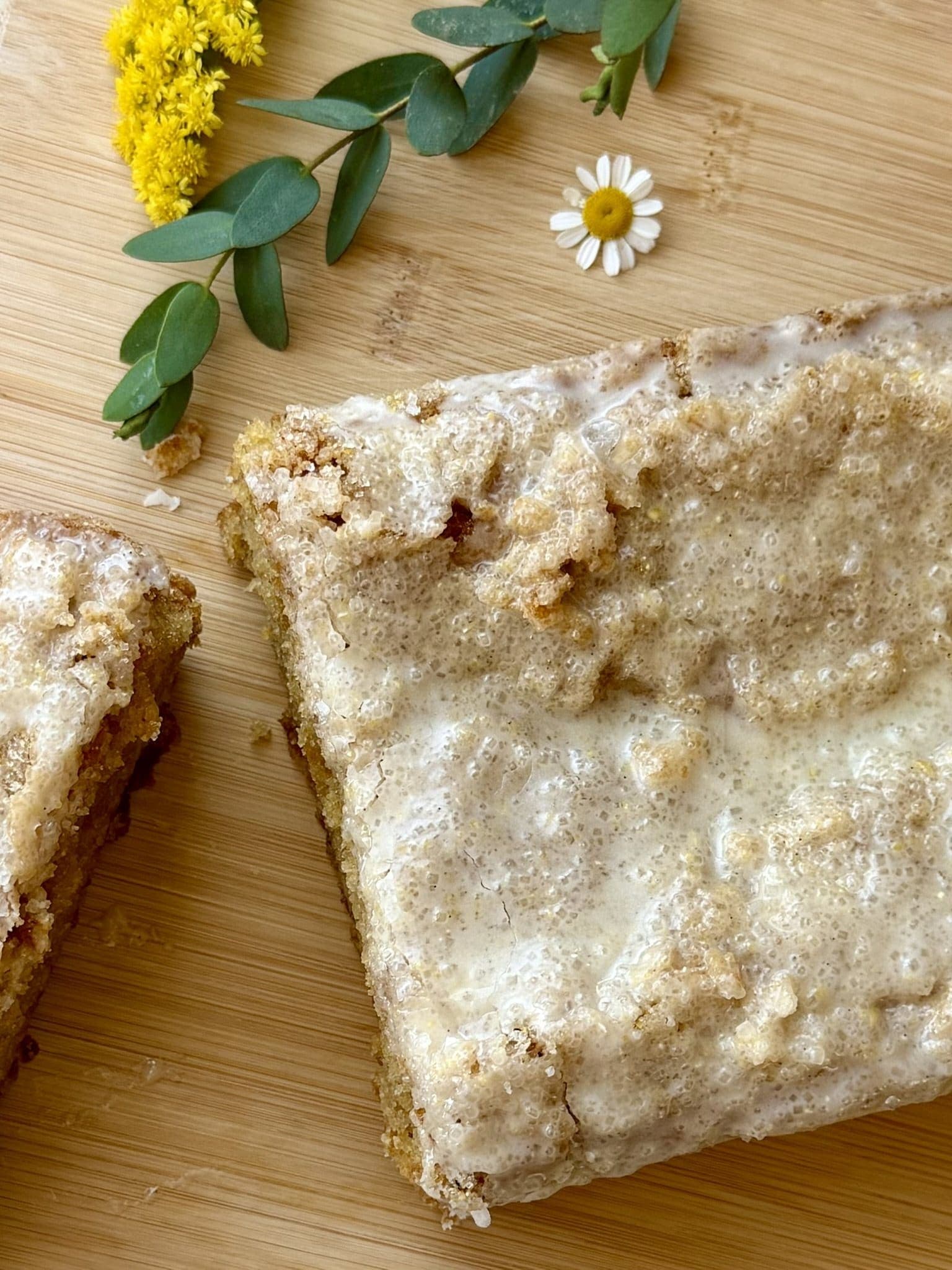
The glaze goes in a different direction. Instead of adding more citrus, it leans fully into vanilla bean paste, giving the orange loaf a soft, bakery-style finish that lets the fruit stay clear and lively underneath.
Save this recipe
Want to save this recipe for later?
Enter your email and I’ll send it to your inbox.
The Next Fruit Donut Loaf
After blueberry, strawberry, cherry, and lemon, it felt natural to start thinking about the other citrus and berry flavors that could become donut loaves. Orange is not the most common fruit-flavored donut, but that made me want to make it even more.
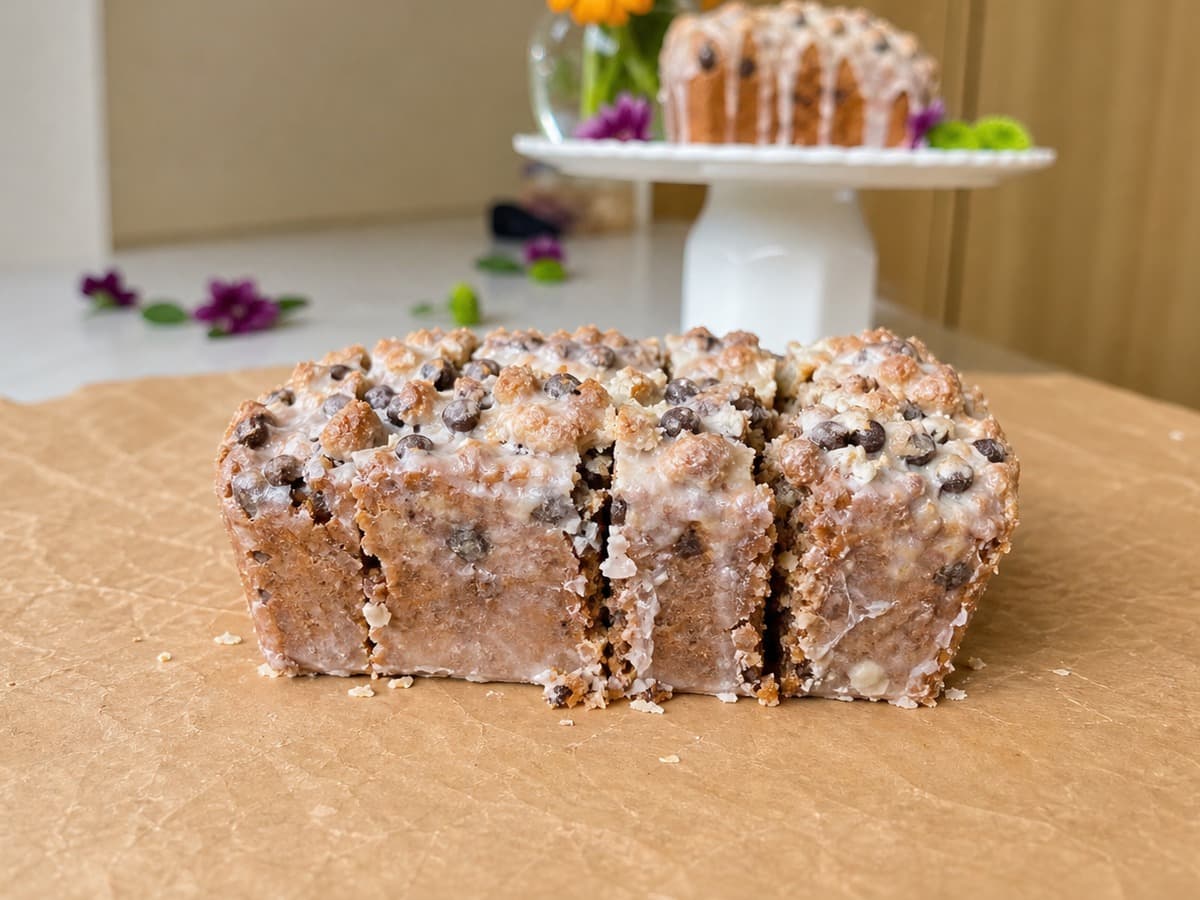
This loaf keeps everything I love about the series - a substantial cake-donut crumb, plenty of buttery streusel, and a glaze that settles into every cluster. The orange is bright and familiar, while the vanilla bean glaze makes the whole thing feel like it came straight from a favorite donut shop.
Ingredient notes
Key ingredients
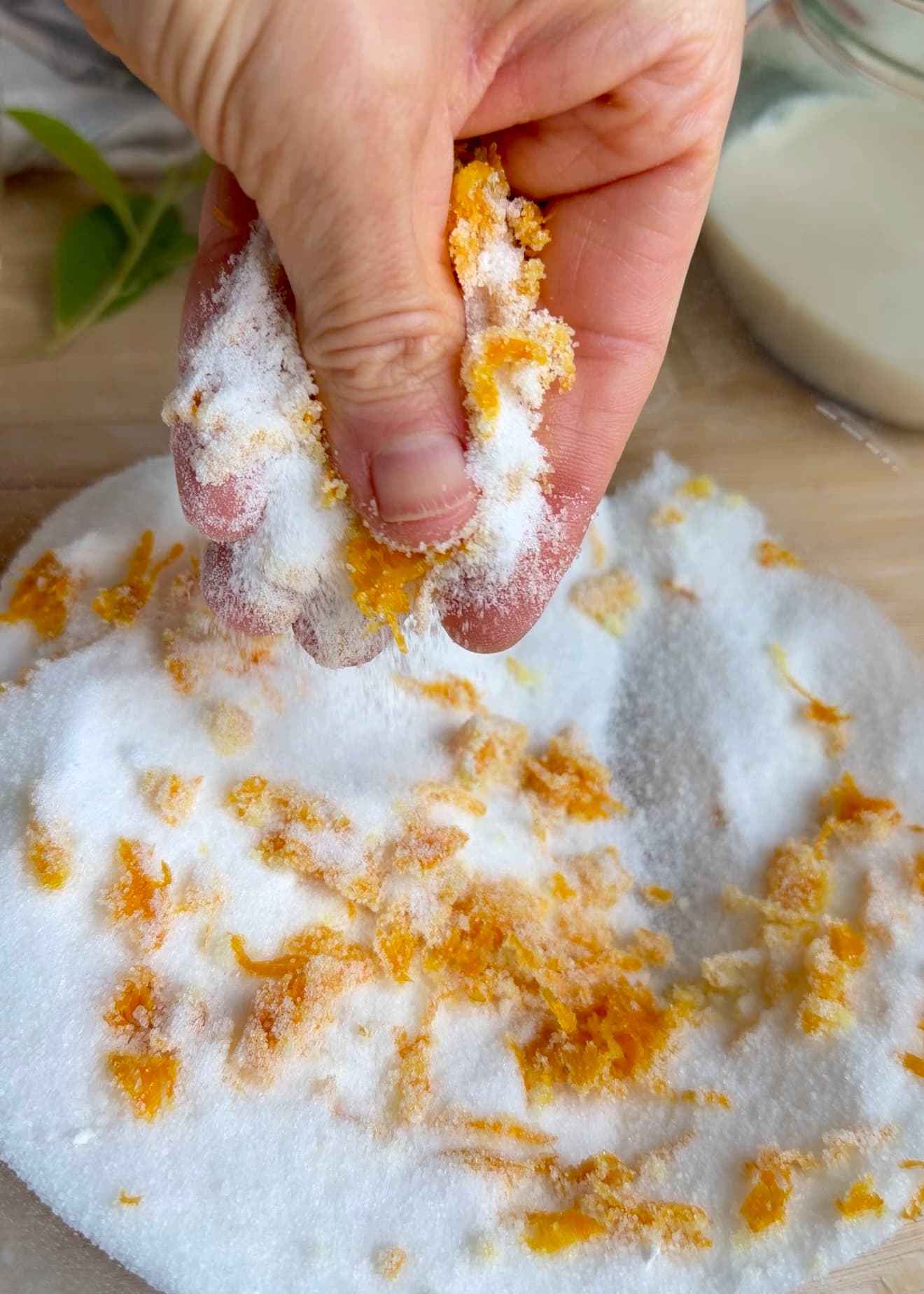
Fresh orange zest
Rubbing the zest into the sugar releases its fragrant oils and spreads fresh orange flavor through the entire loaf.
Orange emulsion
A bakery emulsion is a bottled flavoring used much like an extract. Its water-based formula is designed to hold its flavor through baking. This recipe uses LorAnn's orange bakery emulsion.
Fresh zest and juice bring brightness. That little half teaspoon of emulsion adds the sweet orange bakery note I want alongside the buttery streusel and vanilla glaze. Keep to the listed amount so the orange stays balanced!
Plain unsweetened yogurt
Yogurt gives the egg-free loaf moisture, body, and the substantial but tender crumb of an old-fashioned cake donut.
Cold butter
Cold cubed butter helps the streusel keep a mix of fine crumbs and large buttery pieces instead of disappearing into the batter.
Vanilla bean paste
The glaze starts with 2 teaspoons for a clear vanilla flavor. I often take it all the way to 1 tablespoon, but taste before adding more.
Coarse sanding sugar
Modern Mountain Baking Company White Sparkling Sugar is my go-to sanding sugar. I get it on Amazon, and it adds a crisp, sparkly finish without melting into the top.
Brands I used for this recipe
These are preferences, not requirements. If you choose the non-dairy route, these are the products I test with. Dairy equivalents can be used at the same listed amounts and temperatures.
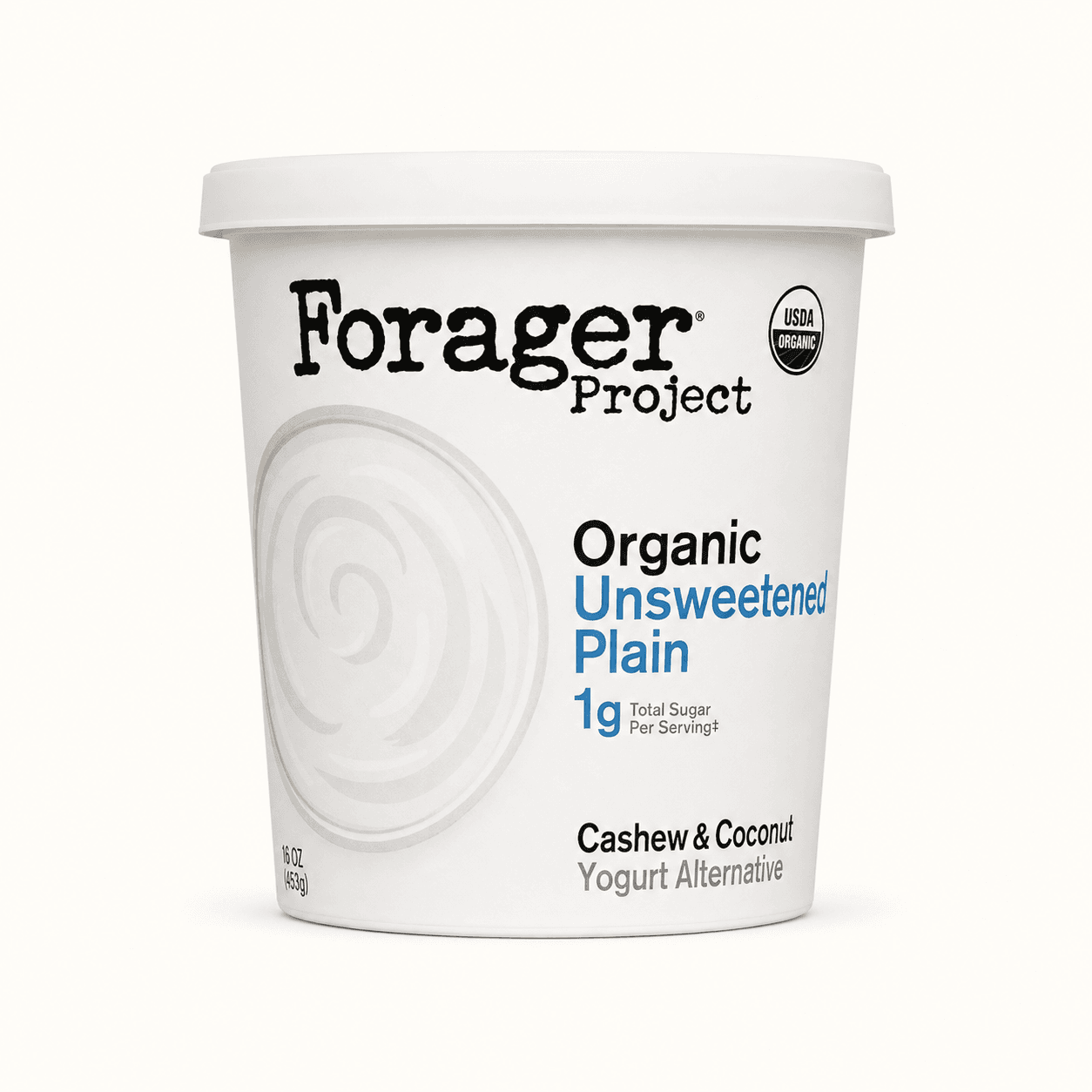
Forager Unsweetened Plain Yogurt
The plain unsweetened yogurt I use in this loaf.
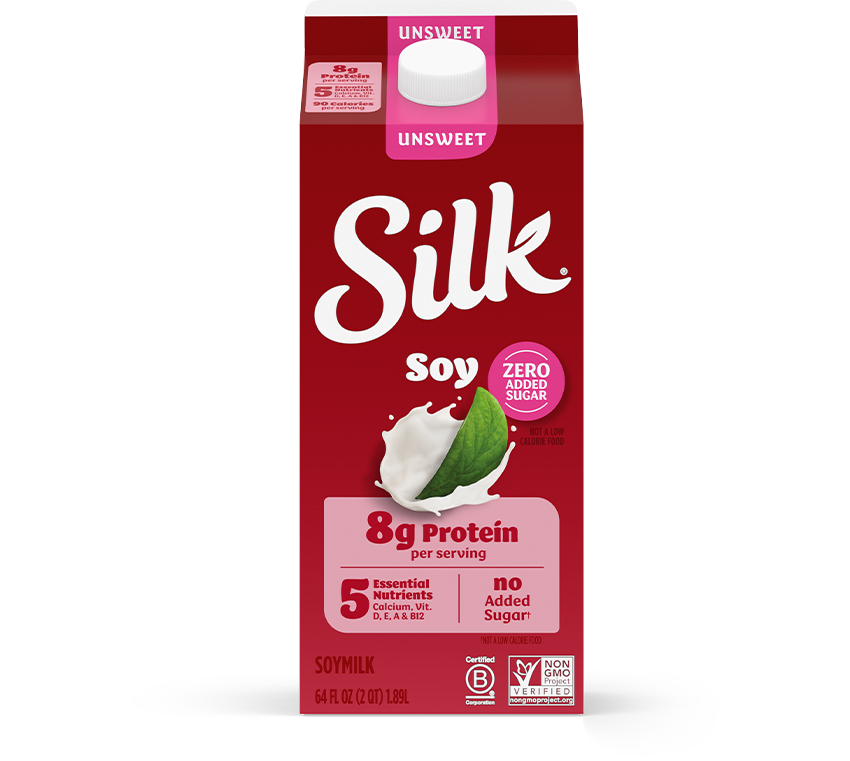
Silk Unsweet Soymilk
The milk I use in this loaf and glaze.
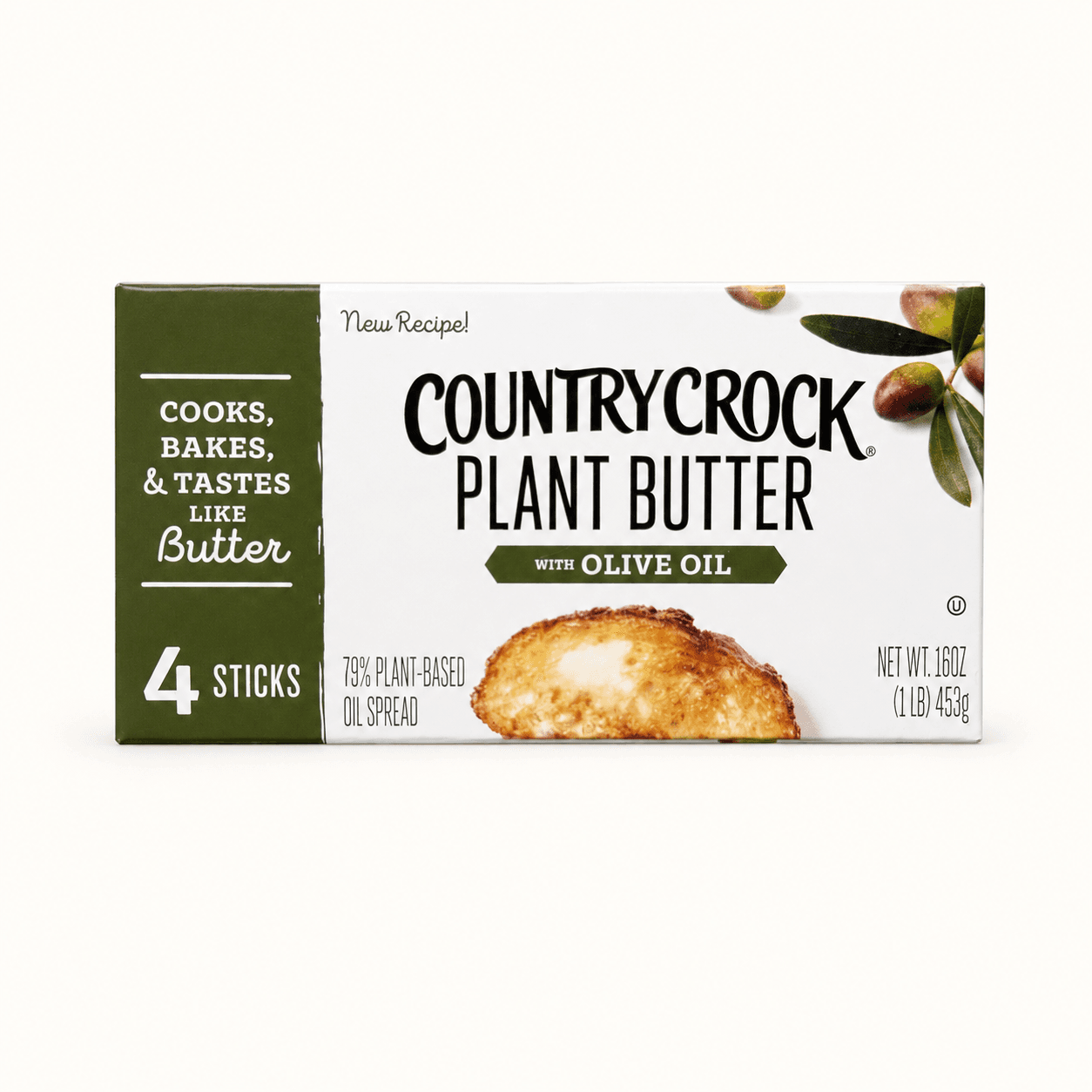
Country Crock Plant Butter Sticks
The butter sticks I use for this streusel.

LorAnn Orange Bakery Emulsion
The orange emulsion I use in this loaf.

Rising Star Baking Supply Vanilla Bean Paste
The vanilla bean paste I use in this recipe.
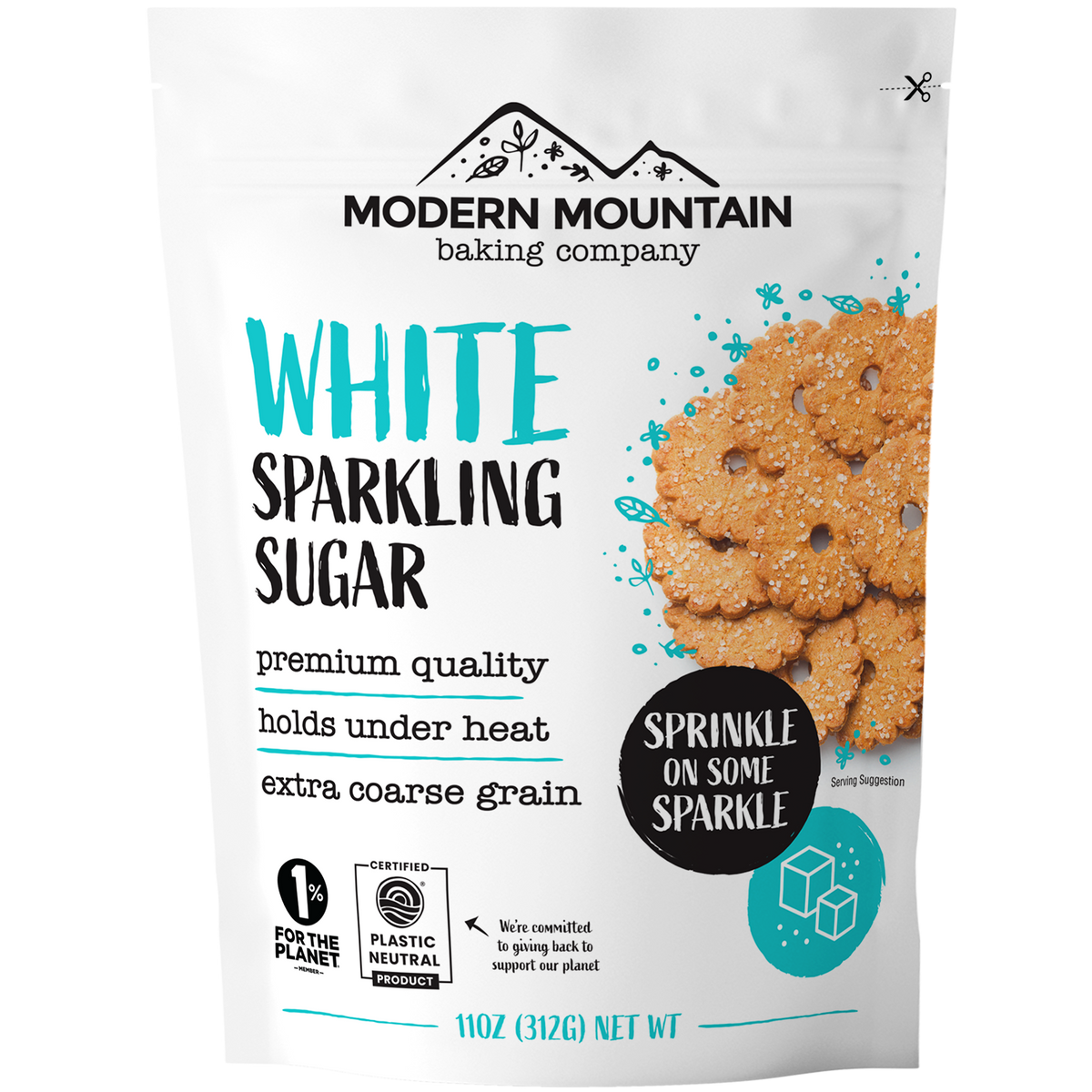
Modern Mountain Baking Company White Sparkling Sugar
The coarse sparkling sugar I use on this loaf.
Inside the recipe
How It All Comes Together
From Instagram
Watch the reel
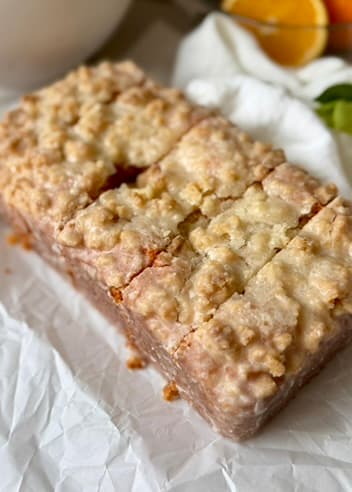
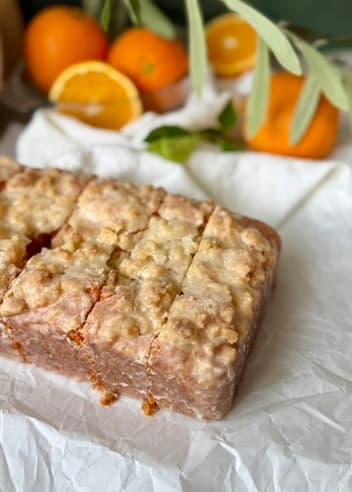
Watch the orange cake-donut batter, buttery streusel, and vanilla bean glaze come together from bowl to slice.
Open the reelTroubleshooting
If This Happens
The streusel feels soft or greasy
Return it to the refrigerator before layering the loaf. Cold butter helps the streusel hold its large clusters instead of melting into the batter.
The top is brown but the center is not ready
Tent the loaf loosely with foil and continue baking. Test the cake portion beside the middle streusel seam so the butter in that layer does not give you a misleading result.
It is taking a long time to bake
Every oven is different, and this deep loaf may need close to 90 minutes. Make sure to keep the oven door closed instead of checking frequently. If the tester has a thick, paste-like residue, check again in 3-5 minutes. If it looks like wet unbaked batter, wait 7-10 minutes.
The glaze is disappearing into the loaf
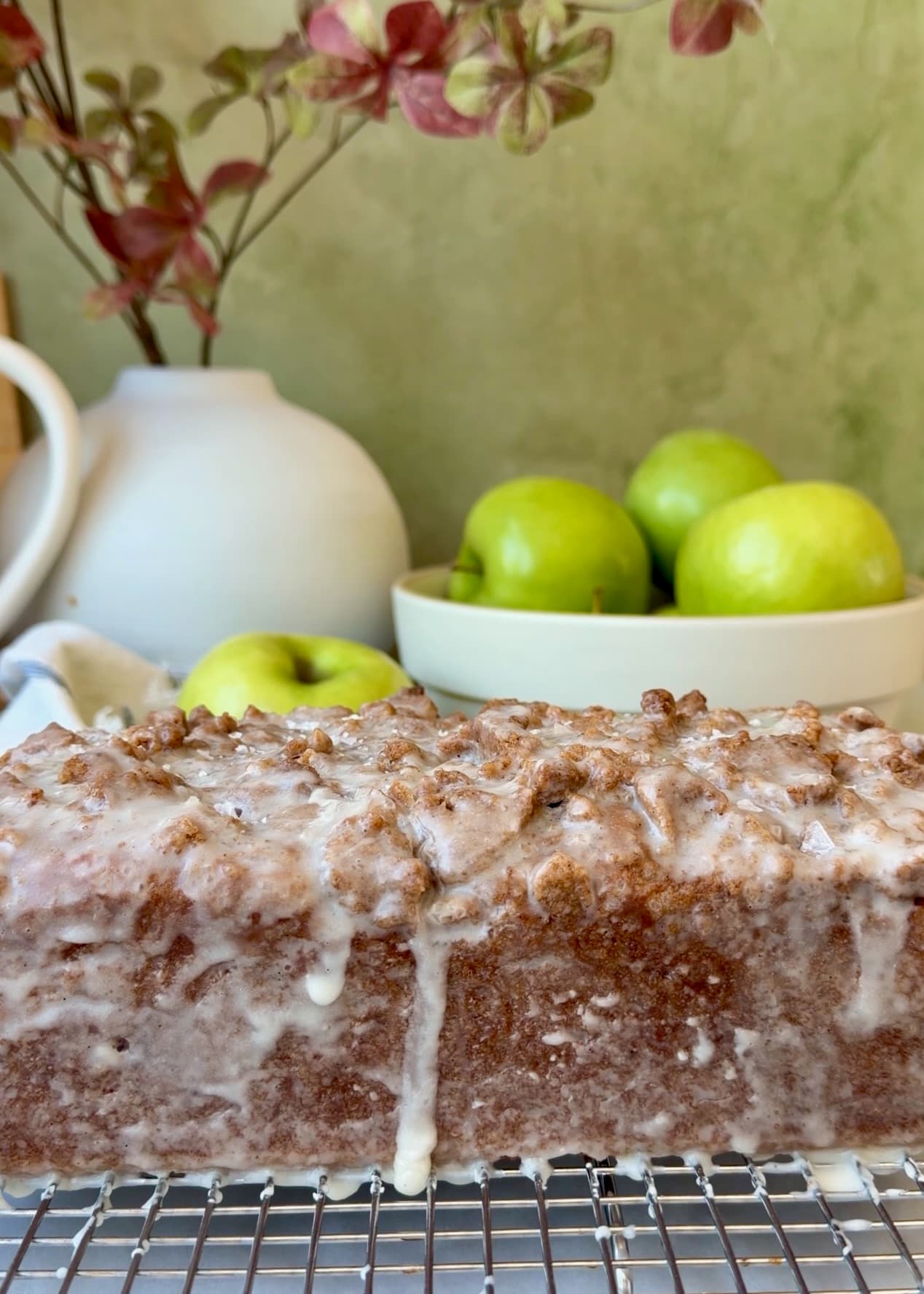
Let the loaf cool on the wire rack until warm but no longer hot before glazing. A hot loaf can melt the glaze instead of letting it settle into a thick coating.
Before you slice
Texture and serving notes
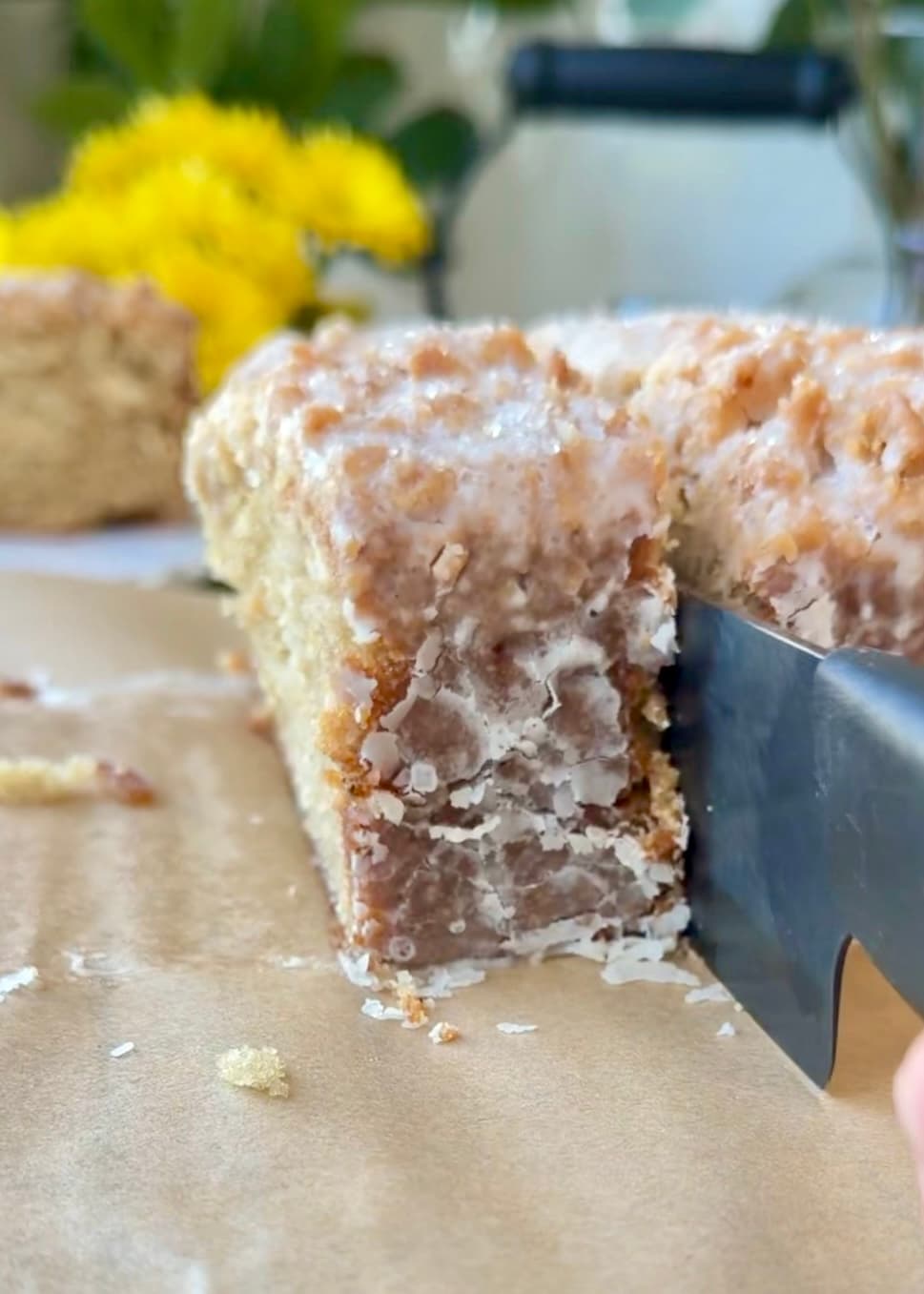
Serve the loaf warm for the softest crumb, or chill it fully for a denser, more traditional cake-donut bite.
Keep it good
Storage
Fridge
Store covered in the refrigerator for up to 4 days.
Serve
Let chilled slices return to room temperature before serving for the softest crumb.
Freezer
Freeze individual slices for up to 2 months. Thaw overnight in the refrigerator or at room temperature before serving.
Recipe FAQ
Questions that come up
Do I need orange emulsion?
Yes. Fresh zest and juice bring brightness, while 1/2 teaspoon orange emulsion gives the loaf its nostalgic donut-shop flavor.
Can I add orange juice to the glaze?
Yes. I prefer the glaze vanilla-forward because the cake is already bright with orange, but it comes down to preference. For more citrus, replace 15 g of the milk with 15 g fresh orange juice.
How much vanilla bean paste should I use in the glaze?
Start with the listed 2 teaspoons and taste. I use as much as 1 tablespoon when I want the vanilla to be especially prominent, but it is easier to add more than to take it back.
Can I use Greek yogurt?
Yes. Use 170 g Greek yogurt and increase the milk to 160 g. The additional milk brings the thicker yogurt back to the consistency this batter needs.
Can I use dairy ingredients?
Yes. I test with non-dairy ingredients, but dairy yogurt, milk, and butter can be used at the same listed amounts and temperatures.
How do I know when the loaf is done?
The center should reach 205-210°F (96-99°C), and a tester inserted into the cake portion should come out with moist crumbs but no wet batter. Test beside the streusel seam rather than directly through it.
Will it turn out the same if I use volume measurements?
Often, yes - but not always. Flour and other ingredients can weigh differently from one cup to the next depending on how they are filled or packed, and even humidity can make a difference. That is why I recommend using a scale when you can. These loaves are easy to make, but their ratios are precise. Baking ingredients are expensive, and there is nothing more frustrating than a loaf that does not turn out as expected. Volume measurements are included for convenience, but weighing gives you the closest match to the recipe I tested.
Can I make this recipe gluten-free?
I have not tested this recipe with gluten-free flour, so I cannot guarantee the same texture, rise, or structure. If you would like to experiment, a cup-for-cup (1:1) gluten-free baking blend intended to replace all-purpose flour is the best place to start. Results may differ from the recipe as written.
More donut loaves to try
- Prep
- 30 min
- Bake
- 55-90 min
- Total
- About 2 hr 30 min, including cooling and glaze setting
- Yield
- One 9x5-inch loaf
Measurement note
For the closest match to the recipe I tested, use grams. Volume measurements are included for convenience, but cups can vary, so I cannot guarantee the exact same result when measuring by volume.
Ingredients
Classic Streusel
- 115 g all-purpose flour115 g (about 3/4 cup + 3 tablespoons + 1 teaspoon) all-purpose flour
- 80 g granulated sugar80 g (about 6 tablespoons + 1 1/2 teaspoons) granulated sugar
- 1/2 teaspoon fine sea salt1/2 teaspoon fine sea salt
- 85 g cold butter, cubed85 g (about 6 tablespoons) cold butter, cubed
- 1/2 teaspoon vanilla bean paste1/2 teaspoon vanilla bean paste
Orange Donut Loaf
- 253 g all-purpose flour253 g (about 2 cups + 2 tablespoons) all-purpose flour
- 15 g cornstarch15 g (about 2 tablespoons + 1/2 teaspoon) cornstarch
- 1 3/4 teaspoons baking powder1 3/4 teaspoons baking powder
- 1/4 teaspoon baking soda1/4 teaspoon baking soda
- 3/4 teaspoon fine sea salt3/4 teaspoon fine sea salt
- 1/4 teaspoon ground nutmeg1/4 teaspoon ground nutmeg
- 220 g granulated sugar220 g (about 1 cup + 2 tablespoons) granulated sugar
- 2 tablespoons finely grated orange zest2 tablespoons finely grated orange zest
- 117 g neutral oil117 g (about 1/2 cup + 1 teaspoon) neutral oil
- 170 g plain unsweetened yogurt, room temperature170 g (about 2/3 cup + 1 teaspoon) plain unsweetened yogurt, room temperature
- 1 tablespoon vanilla bean paste1 tablespoon vanilla bean paste
- 1/2 teaspoon orange emulsion1/2 teaspoon orange emulsion
- 2 tablespoons fresh orange juice2 tablespoons fresh orange juice
- 108 g milk, room temperature108 g (about 7 tablespoons) milk, room temperature
Vanilla Bean Glaze
- 275 g powdered sugar, sifted275 g (about 2 1/4 cups) powdered sugar, sifted
- 2 teaspoons vanilla bean paste, plus more to taste2 teaspoons vanilla bean paste, plus more to taste
- 60 g milk60 g (about 1/4 cup) milk
- Optional: 15 g fresh orange juice, replacing 15 g of the milkOptional: 15 g (about 2 7/8 teaspoons) fresh orange juice, replacing 15 g of the milk
- Pinch fine sea saltPinch fine sea salt
Before Baking
- Coarse sanding sugar, for sprinklingCoarse sanding sugar, for sprinkling
Pan used
I personally prefer a light-colored aluminum pan for these loaves. Here is the one I use. Not sponsored. I don't earn a commission from this link.
Glass holds heat longer, so the edges can overbake before the center is done. If you use glass, loosely tent the loaf with foil early, as soon as the top starts to brown. The foil helps protect the top, but it does not stop the sides or bottom from baking too quickly.
Removing the parchment
Carefully lift the loaf onto a wire rack and remove the parchment from underneath. I carefully flip the loaf onto its side, then turn it upside down onto my forearm so I can peel away the parchment without damaging the loaf.
Instructions
- 1Preheat the oven to 350°F (175°C). Grease and fully line a 9x5-inch loaf pan with parchment paper.
- 2In a medium bowl, whisk together the flour, granulated sugar, and salt for the streusel. Add the cold butter and vanilla bean paste. Work together with your fingertips until a mixture of fine crumbs and large buttery pieces forms. Refrigerate while preparing the batter.
- 3In a large bowl, combine the granulated sugar and orange zest. Rub the zest into the sugar with your fingertips until the sugar is fragrant and lightly moistened.
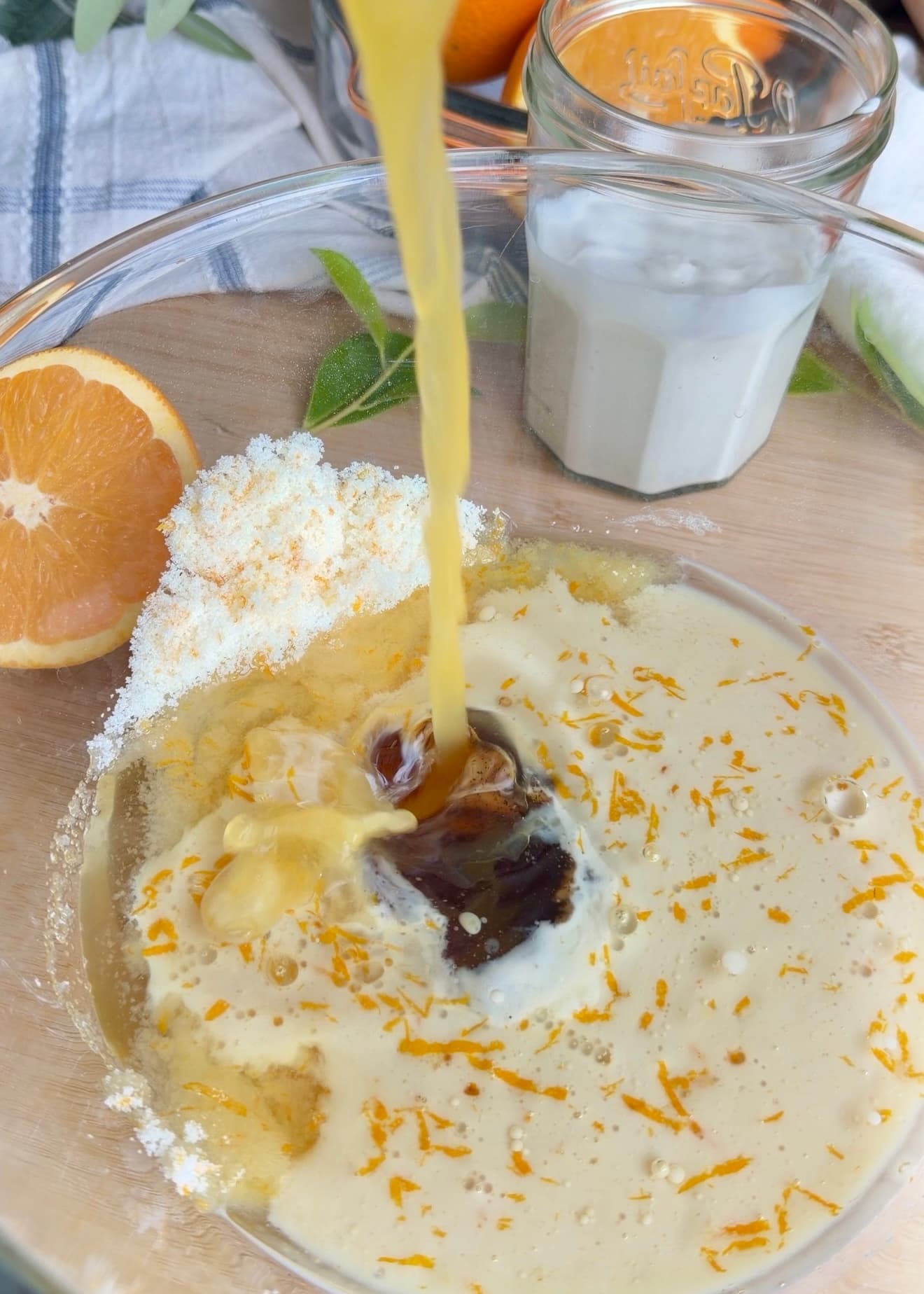
- 4Whisk in the oil, yogurt, vanilla bean paste, orange emulsion, orange juice, and milk until completely smooth.
- 5Sift the flour, cornstarch, baking powder, baking soda, salt, and nutmeg over the wet ingredients. Whisk just until combined and no dry streaks remain. Do not overmix.
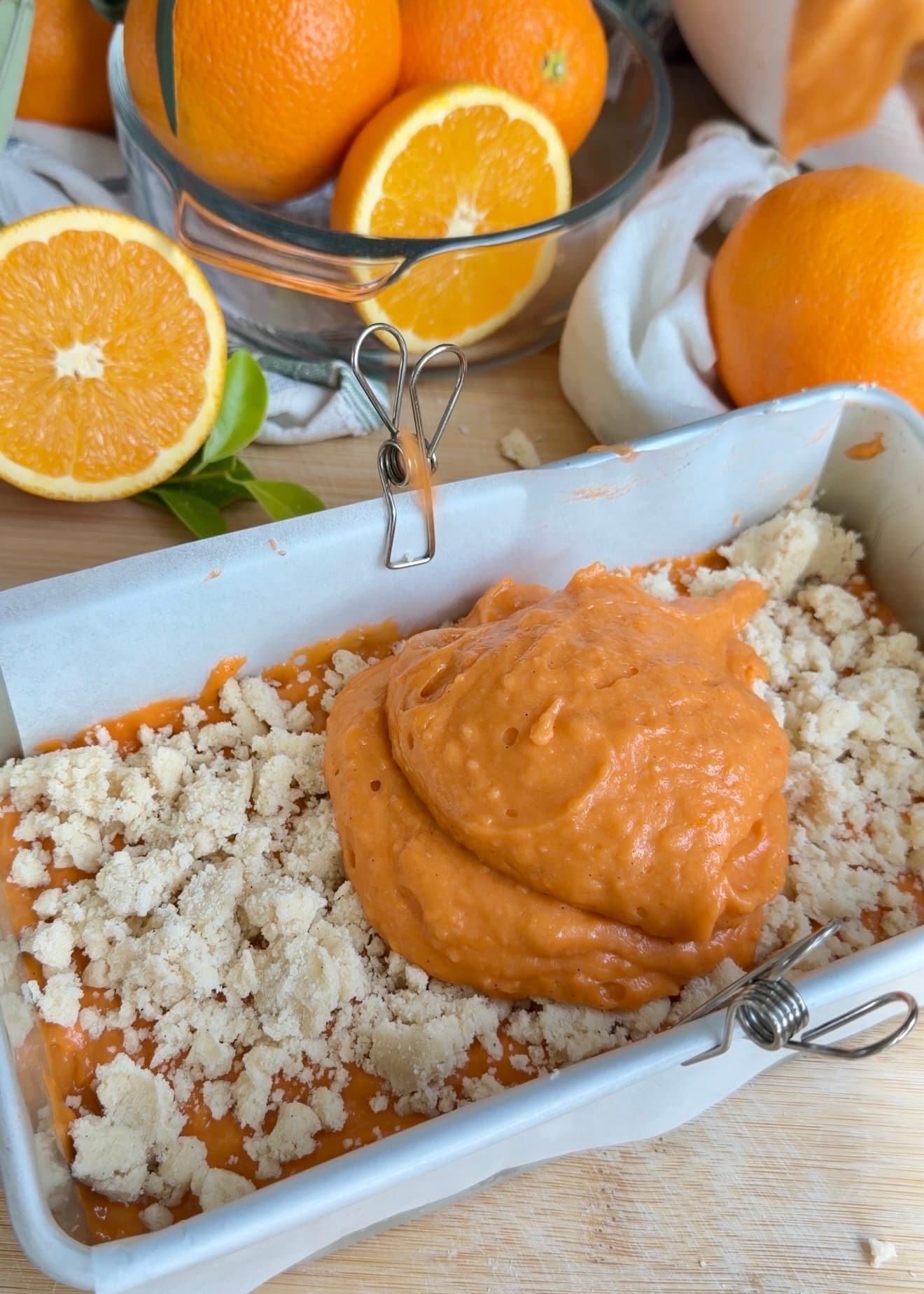
- 6Spread just under half of the batter into the prepared loaf pan.
- 7Sprinkle half of the chilled streusel evenly over the batter.
- 8Carefully spread the remaining batter over the streusel until completely covered.
- 9Sprinkle the remaining streusel evenly over the top, leaving plenty of large buttery pieces.
- 10Sprinkle generously with clear coarse sanding sugar before baking.
- 11Bake at 350°F for 55-90 minutes. Check the loaf at 45 minutes and tent loosely with foil if the streusel is browning quickly.
- 12
Before you take the loaf out
Baking time is a guide, not a deadline.
Check the center: Insert a skewer or toothpick into the cake in the center, avoiding the streusel layer.
Ready to come out: The center no longer jiggles and the tester comes out clean or with moist crumbs. No wet batter.
Keep baking: Thick, paste-like batter: bake 3-5 minutes more. Wet batter: bake 7-10 minutes more. Then test the center again.
The 205-210°F (96-99°C) range is an extra check. Batter on the tester still means keep baking, even at that temperature.
An underbaked center can collapse as the loaf cools.
- 13Cool in the pan for 20 minutes, then carefully lift the loaf onto a wire rack. Let it cool until warm but no longer hot.
- 14Whisk together the powdered sugar, 2 teaspoons vanilla bean paste, 60 g milk, and salt until completely smooth. For a more citrus-forward glaze, replace 15 g of the milk with 15 g fresh orange juice. Taste and add more vanilla bean paste if desired, up to 1 tablespoon total.
- 15Spoon or pour the glaze generously over the warm loaf once it no longer feels hot, allowing it to run naturally down the sides.
- 16Allow the glaze to set before slicing.

Meet the baker
Angela Heckler
Angela Heckler is the recipe developer, baker, and photographer behind Obsessed Cakes. Her Old-Fashioned Donut Loaf series is a growing collection of cake-donut-inspired loaves with soft, deeply moist crumbs, buttery streusel, and crackly glaze. Angela develops and tests every recipe in her Arizona kitchen. Follow Obsessed Cakes on Instagram, TikTok, and YouTube.
Made it? Tell us.
Ratings and reviews
The recipe exceeded every expectation I had! A beautiful moist texture a delicious orange flavour and an absolutely incredible bake I know will be on a constant rotation in my home!! Couldn’t recommend it highly enough🌟🍊
Thank you so much for sharing Christine!! I'm so happy to hear it was a success AND making the rotation! :D
Questions from readers
Recipe questions and answers
What is Orange Emulsion
Hi Cyndi! It’s a flavoring that is water soluble so the flavor doesn’t cook off the way extracts do. A little bit goes a long way! I recommend LorAnn’s brand - you can find it at Michael’s or Amazon :)
Did you make this?
Share your bake on Instagram - tag @obsessedwithcashews and use #obsessedcakes.