Baking notes · Angela Heckler
Why Ingredient Temperatures Matter
Soft butter for frosting, cold butter for crumble, and cold cream for whipping each have a different job. Here's how to tell what your recipe needs.
Cold, softened, and melted are different instructions
Start with the butter texture the recipe asks for. Softened butter should give under gentle pressure while still holding its shape. Melted butter is liquid; it cannot do the same job as softened butter in a creamed frosting base.
My fritter coffee cakes use cold butter in the crumble and melted butter in the filling. Keep those portions separate. The crumble mixture needs enough body to form clusters, while the filling is mixed into a spreadable layer.
Let frosting ingredients meet at similar temperatures
For my vanilla buttercream, room-temperature cream blends into softened butter more evenly. Cold cream can firm the butter before everything combines, leaving little lumps or a split-looking mixture. Pour slowly and check the texture before adding more.
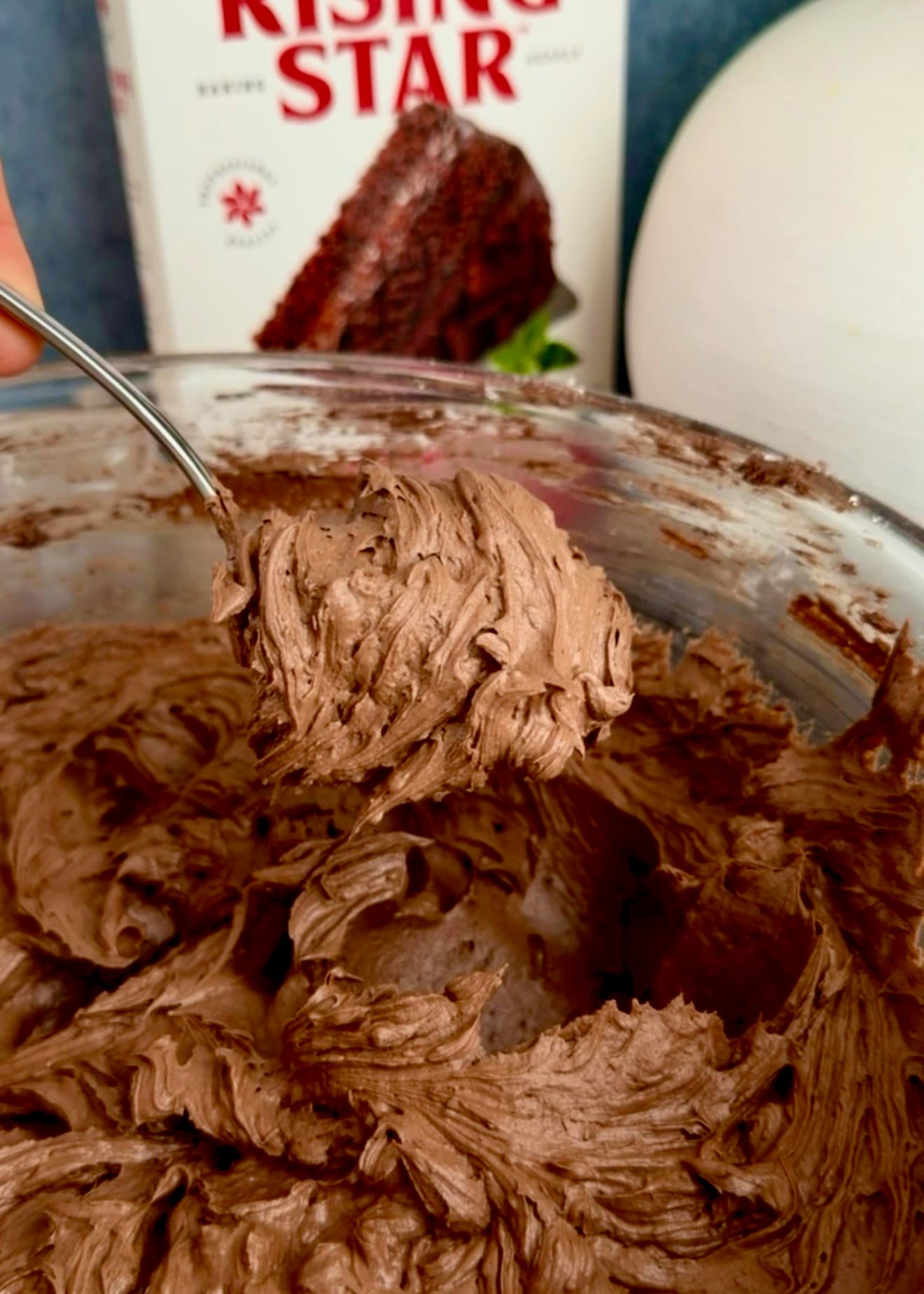
Chocolate buttercream has one more temperature to watch. Melted chocolate should still flow but no longer feel warm when added. Warm chocolate can soften the butter too much; chocolate that has begun setting can leave small flecks.
Read the batter ingredients before starting
When a recipe calls for room-temperature milk or plain unsweetened yogurt, take out only what you need while you measure the other ingredients. Combining ingredients at compatible temperatures helps the wet mixture become even before the flour goes in.
This is not a reason to change a recipe that specifically uses cold or hot ingredients. Follow the temperature written beside each ingredient rather than bringing the whole kitchen counter to room temperature.
Whipped cream is the exception
Cream that is going to be whipped for a mousse or topping should stay cold, as specified in those recipes. That is a different job from cream added to buttercream. Keep the whipped filling chilled and give the finished dessert its full setting time.
For a dessert with both a baked base and a chilled filling, cool the base completely before combining them. Warm cake or cooked fruit can soften a filling that needs to hold its shape.
Cool the base before adding a chilled filling
Cooked fruit and baked bases can hold heat long after leaving the stove or oven. Cool them before adding a cheesecake or mousse filling so they do not soften a mixture that needs to set.
My Dutch Apple Pie Cheesecake uses cooled apples and a cooled crust, then needs an overnight refrigerator rest. Cooling the components first and chilling the finished dessert are separate steps.
Even cream cheese frostings can use different temperatures
My Banana Cinnamon Roll Lava Cake calls for cold cream cheese and cool, pliable butter. My carrot version uses softened brick cream cheese. Their ingredient temperatures differ, but both use the same order: butter first, powdered sugar next, then cream cheese in small additions on low. Keep the amounts and temperatures for the cake you are making.
If frosting is suddenly too loose, ask whether the butter or added chocolate was warm. If it looks lumpy after adding cream, ask whether the cream was cold. Follow the recipe's chilling or gentle-mixing instructions before adding extra sugar or liquid.
Softening ingredients is preparation, not storage. Refrigerate perishable fillings and finished desserts as directed in the recipe, and take out only what you need for the next step.